


By Ben Hoffman, MD, MPH
Chief Medical Officer, WorkSTEPS
This blog builds on Part 1 of this series, which explores why physician‑led medical director oversight matters from a risk perspective in complex manufacturing environments.
Key Insights
- Medical director oversight plays a hands‑on role in injury prevention, compliance, and operational continuity.
- Fractional models provide access to experienced medical leadership without requiring a full‑time, onsite presence.
- Clear structure and integration with safety, HR, and operations are essential for consistent, defensible outcomes.
Occupational and environmental medicine physicians are trained to keep workers healthy and safe by identifying hazards, preventing disease and injury, and managing work‑related conditions. In manufacturing settings, this expertise is applied through specific, repeatable functions that support injury prevention, compliance, and operational continuity.
For manufacturers, medical director oversight is applied through several core, repeatable areas, including injury prevention, injury management, and regulatory compliance.
Injury Prevention Strategy
- Partners with EHS, engineering, and operations to identify high‑risk tasks and design controls, ergonomics improvements, and safe work procedures.
- Uses injury and near‑miss data to drive targeted interventions rather than relying on broad or generic safety campaigns.
Injury Management and Workers’ Compensation Oversight
- Provides early, work‑focused care that keeps minor issues from becoming recordable or lost‑time cases and reduces unnecessary emergency department and urgent care use.
- Coordinates with claims, HR, and supervisors on return‑to‑work decisions, restrictions, and disability management, improving case outcomes and claim defensibility.
Medical Surveillance and Regulatory Compliance
- Designs and oversees medical surveillance programs for noise, respirators, specific chemicals, and other OSHA‑regulated exposures, ensuring appropriate testing and meaningful follow‑up.
- Interprets trends in surveillance data to trigger engineering or administrative controls before workers develop irreversible disease.
Policies, Protocols, and Emergency Readiness
- Sets evidence‑based medical protocols for first aid, injury triage, fit‑for‑duty determinations, and infectious disease response, tailored to the site’s actual risk profile.
- Advises on emergency preparedness for mass‑casualty events, chemical releases, or outbreaks—situations where occupational medicine expertise is essential for coordinated response.
Integration With Primary Care and Wellness
- Helps integrate occupational health with onsite or near-site primary care so work‑related factors and chronic conditions are managed together, improving long‑term outcomes and productivity.
- Uses access to workplace health data (within privacy boundaries) to connect workers with resources for chronic disease, mental health, and lifestyle risks that affect safety and job performance.
Why Fractional Medical Director Models Work in Manufacturing
A part‑time or consulting medical director can deliver significant value without the cost of a full‑time, in‑house department, particularly for mid‑sized or multi‑site manufacturers with distributed operations.
Reduced Injuries and Workers’ Compensation Claims
- Onsite or closely connected occupational health programs reduce injury response time, which is associated with fewer complications and lower recordability.
- Structured early‑symptom intervention and ergonomic programs in manufacturing have demonstrated double‑digit reductions in recordable injuries and fewer minor complaints progressing into lost‑time cases.
Lower Regulatory Risk and Stronger Compliance
- Physician‑led oversight of surveillance programs, respirator and hearing conservation initiatives, and fitness‑for‑duty standards reduces regulatory citations, misclassification of cases, and disputes.
- Clear, physician‑backed documentation strengthens the organization’s position during OSHA inspections, workers’ compensation hearings, and third‑party litigation.
Improved Productivity and Talent Attraction
- Comprehensive occupational health programs are associated with reduced absenteeism, lower turnover, and higher employee engagement, factors that directly influence operational performance.
- An onsite or embedded clinical presence signals that the organization values worker health, which can differentiate employers in competitive labor markets.
Operational Agility and Organizational Culture
- Embedded clinicians understand specific jobs, production cycles, and site culture, enabling more detailed decisions about restrictions, reassignments, and accommodations.
- A medical director provides a single, trusted voice on vaccines, pandemics, and emerging health risks, helping align messaging and reduce uncertainty across the organization.
How Manufacturers Structure a Fractional Medical Director Role
For manufacturers that build large, complex products, a fractional or consulting model is often more practical than a traditional onsite clinic.
Typical Scope of Engagement
- Quarterly or monthly site visits for walkthroughs, meetings with EHS and HR, and direct review of complex or high‑risk cases.
- Standing availability for injury triage, fit‑for‑duty opinions, policy questions, and complex case discussions.
Governance and Performance Measurement
- Formal appointment as medical director for occupational health, with clear responsibility for medical protocols, clinical quality, and oversight of compliance‑related programs.
- Use of dashboards that track leading and lagging indicators, such as injury rates, restricted‑duty utilization, surveillance trends, and compliance metrics, to measure impact and guide continuous improvement.
Integration With Existing Health and Safety Resources
- Alignment with onsite nurses, EMTs, or contracted clinics, who deliver day‑to‑day care under physician‑authored protocols.
- Coordination with HR, safety, legal, and risk management teams to ensure consistent handling of complex cases, accommodations, and regulatory questions.
When structured intentionally, medical director oversight becomes a practical, scalable way for manufacturers to support injury prevention, compliance, and operational continuity.

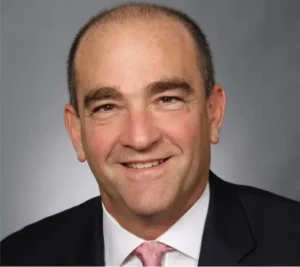 Dr. Ben Hoffman is a highly seasoned physician executive with an extensive background in occupational and environmental health, clinical medicine, and transportation safety. He has been employed by government agencies, non-profits, and multinational corporations including GE, Waste Management, Anheuser-Busch, and DuPont. Dr. Hoffman trained at Yale, Brown, and Mt. Sinai School of Medicine and is board certified in internal medicine, preventive medicine, and environmental/occupational health.
He has published widely and holds a Professorship (Adjunct) at the University of Texas School of Public Health. He has held professorships at Tufts University Friedman School of Nutrition, Dartmouth School of Medicine, Boston University, and the University of New Hampshire. He is active on numerous committees and boards, including Global Health at the National Academy of Sciences/Institute of Medicine, IPIECA, the International Association of Oil & Gas Producers (OGP), and is a former chair of the U.S. DOT/FMCSA Medical Review Board.