


By Ben Hoffman, MD, MPH
Chief Medical Officer, WorkSTEPS
Key Insights
- In large manufacturing environments, occupational health decisions directly affect operational risk.
- Physician‑led medical director oversight helps organizations move from reacting to injuries to preventing them.
- Clear medical leadership helps reduce escalation, inconsistency, and regulatory risk.
- Fractional medical director models give manufacturers access to experienced medical leadership without the cost of a full‑time role.
Companies that build large, complex products depend heavily on their people, smooth operations, and their good reputation. They can’t afford to treat occupational health as an afterthought.
A dedicated medical director, even in a part‑time or consulting capacity, transforms occupational health from a reactive injury treatment model into a strategic asset for injury prevention, workers’ compensation, medical surveillance, and overall risk management.
In large manufacturing environments, occupational health decisions directly affect operational risk. When medical oversight is limited to post‑injury response or outsourced clinical encounters, organizations miss opportunities to prevent escalation, manage exposure, and protect workforce continuity. Physician‑led occupational health oversight plays a critical role in aligning medical decision‑making with the realities of complex, high‑risk operations.
Why Large Manufacturers Are Different
Large, asset‑heavy operations carry unique medical and safety risks compared with typical office environments, many of which are well documented in federal guidance for manufacturing and general industry.
- Heavy equipment, energy sources, and confined spaces increase the likelihood and severity of traumatic injuries and amputations
- Chemical, noise, and ergonomic exposures create chronic health risks that demand ongoing medical oversight and surveillance, not one‑off clinic visits
- Production pressure and 24/7 operations make it easy for minor, preventable issues to escalate into OSHA recordables, lost‑time cases, or catastrophic failures
In these environments, even small medical decisions can have significant operational consequences. A delayed response, an unclear restriction, or a misclassified case can disrupt production, increase regulatory exposure, and strain workforce trust.
Occupational Health as a Risk Management Function
Occupational and environmental medicine physicians are trained to keep workers healthy and safe by identifying hazards, preventing disease and injury, and managing work‑related conditions. In manufacturing, that expertise functions as a form of risk leadership—not clinical support alone.
A medical director who understands the work – not only the diagnoses – can align health strategies with production realities. This alignment allows organizations to:
- Identify high‑risk tasks before injuries occur
- Interpret injury and near‑miss data in operational context
- Address early symptoms before they become recordable or lost‑time cases
- Anticipate regulatory exposure tied to chronic or cumulative risks
Without this level of medical leadership, occupational health programs often remain reactive, focused on treatment after harm has already occurred.
The Strategic Value of Physician‑Led Oversight
A medical director provides a single, accountable source of medical judgment across injury prevention, surveillance, and compliance programs. This role bridges gaps that often exist between safety, HR, operations, and external healthcare providers.
By integrating medical decision‑making into day‑to‑day operations, organizations gain:
- Consistency in injury triage, restrictions, and return‑to‑work decisions
- Clear, physician‑backed documentation that supports defensibility
- Early identification of exposure trends that require engineering or administrative controls
- Medical protocols tailored to the site’s real risks rather than generic standards
In complex manufacturing environments, this consistency reduces variability, escalation, and uncertainty, the three drivers of operational risk.
Why Fractional Medical Director Models Work for Manufacturing
A part‑time or consulting medical director can deliver meaningful value without the cost of a full‑time, in‑house department, especially for mid‑sized or multi‑site manufacturers. For many organizations, this model provides the medical governance required for consistency, quality, and defensibility without adding unnecessary organizational complexity.
Strategic medical leadership does not require a permanent onsite presence to be effective. What it requires is:
- Regular engagement with the workplace
- Authority over medical protocols and quality
- Access to injury, surveillance, and exposure data
- Ongoing collaboration with safety, HR, and operations
This model allows manufacturers to embed physician‑led oversight into their occupational health programs while maintaining flexibility and cost control.
From Reactive Care to Prevention‑Focused Strategy
Onsite or closely connected occupational health programs reduce injury response time, which is associated with fewer complications and lower recordability. Structured early‑symptom intervention and ergonomic programs in manufacturing have demonstrated double‑digit reductions in recordable injuries and fewer minor complaints escalating into lost‑time cases.
More importantly, they shift the organization’s mindset:
- From treating injuries to preventing escalation
- From compliance‑driven decisions to risk‑informed strategy
- From disconnected care to integrated operational health
Here, we focused on why medical director oversight matters from a risk perspective. In Part 2, we’ll take a closer look at what effective medical director oversight looks like in practice and how it supports injury prevention, compliance, and operational continuity.

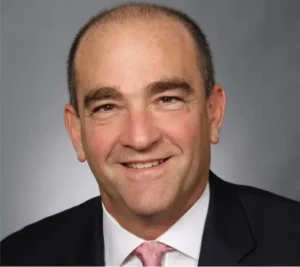 Dr. Ben Hoffman is a highly seasoned physician executive with an extensive background in occupational and environmental health, clinical medicine, and transportation safety. He has been employed by government agencies, non-profits, and multinational corporations including GE, Waste Management, Anheuser-Busch, and DuPont. Dr. Hoffman trained at Yale, Brown, and Mt. Sinai School of Medicine and is board certified in internal medicine, preventive medicine, and environmental/occupational health.
He has published widely and holds a Professorship (Adjunct) at the University of Texas School of Public Health. He has held professorships at Tufts University Friedman School of Nutrition, Dartmouth School of Medicine, Boston University, and the University of New Hampshire. He is active on numerous committees and boards, including Global Health at the National Academy of Sciences/Institute of Medicine, IPIECA, the International Association of Oil & Gas Producers (OGP), and is a former chair of the U.S. DOT/FMCSA Medical Review Board.